Loading Bay Door Springs
Blue Springs Dock Doors
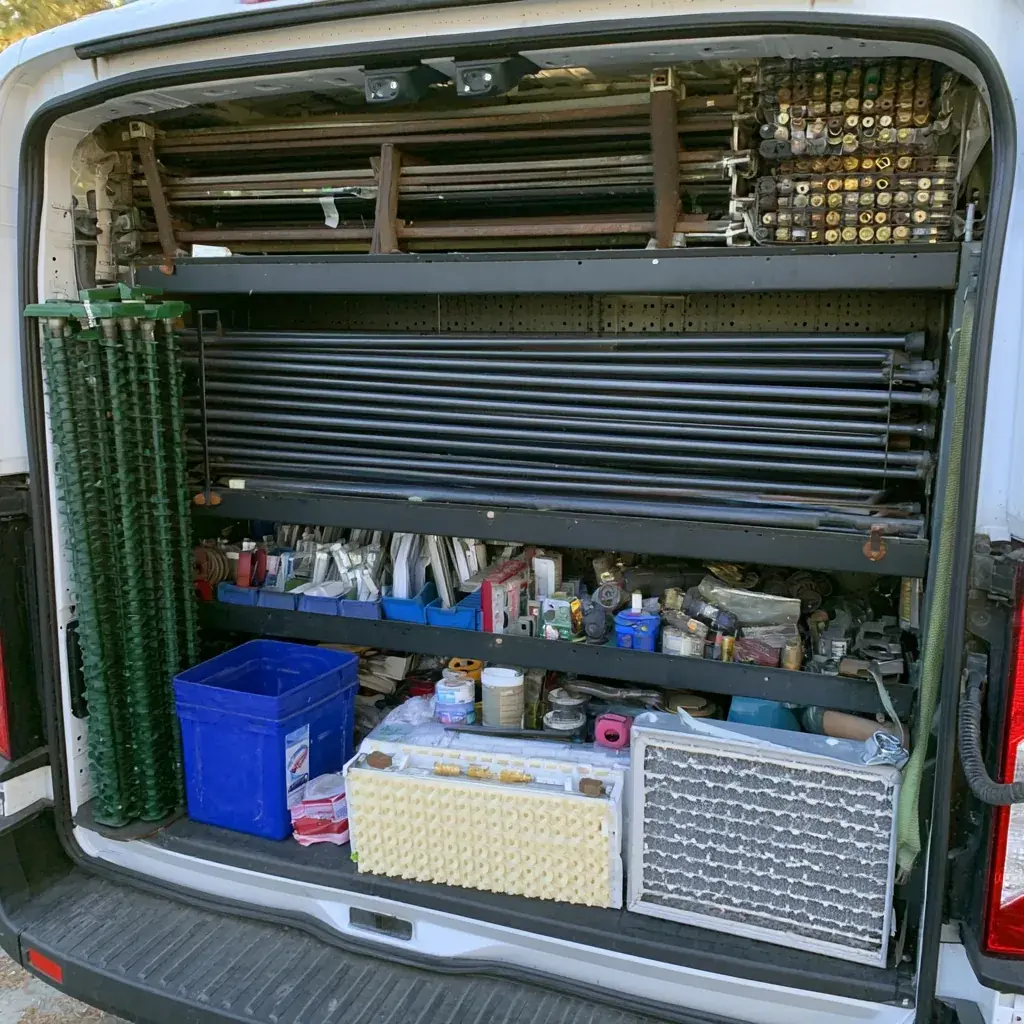
Planned roll-up unit door spring service with unit-level findings and grouped repairs for Blue Springs storage facilities.
Service starts with a door-by-door assessment of spring movement, latch condition, and visible wear. Compatible repairs can be grouped into a scheduled facility visit, while each unit receives its own work record. Managers can use those records to plan access and review maintenance spending.
A damaged spring can make a door uneven or difficult to lift, disrupting routine access to a unit. For a Blue Springs self-storage operator, the practical question is how to plan service around leases, inspection requests, and tenant access. A facility-wide assessment gives each roll-up unit door a clear condition record. That record helps staff decide which doors need attention now and which can enter a scheduled work list. It also gives the next reviewer a basis for understanding what was found and addressed.
A useful review treats spring movement and latch operation as related but separate findings. During tenant turnover, a door may see more use as belongings move in or out; a sticking latch can also prompt repeated handling. Those reports help identify doors for closer assessment. A Blue Springs log can note the unit, reported difficulty, observed movement, and whether the latch engages as intended. That gives maintenance staff specific information to share with the pros we connect you with before work is planned.
The opening argument is about records and expectations: a lease, insurer, or inspector may ask what was checked and what followed. Their requirements depend on the agreement or review at hand, so the facility should not assume one checklist covers all three. A Blue Springs assessment can document each unit door, its condition, work performed, and recommended follow-up. Clear entries help explain decisions later, support budgeting, and give the next service visit a useful starting point.
A roll-up door that takes extra effort or moves unevenly deserves an entry in the maintenance log. The spring may no longer counter the curtain's weight, while a stiff latch may create a similar complaint. Record the reported symptom before deciding which part needs attention. In Blue Springs, separating the two observations can prevent a latch adjustment from obscuring a spring concern, or the reverse. The pros we connect you with can assess the door and identify the work needed.
Usage affects spring selection and future planning. Door size and weight also affect which spring setup can support its movement. Doors used frequently during tenant turnover may reach their rated use sooner than less active units. A Blue Springs service record can pair a spring's rating with the door's observed use pattern. That makes replacement planning more specific and helps explain why neighboring units may not need work together.
| Door condition | Access status | Service record |
|---|---|---|
| Spring fatigue | Curtain needs added lift effort | Assess spring fit against door load |
| Latch trouble | Key or bolt resists after turnover | Note latch condition with spring findings |
| Tenant handling | Frequent manual use loosens latch hardware | Compare door notes at unit turnover |
| Older key assemblies | Unmarked parts can delay replacement | Describe hardware before sourcing a match |
| Cable and drum condition | Curtain may lift unevenly | Include cable seating and drum wear |
| Guide resistance | Curtain movement becomes rough | Check guides for contact or obstruction |
| Grouped access | Several units need temporary work access | Arrange nearby doors within one work window |
| Service documentation | Sparse histories weaken budget estimates | Record parts, findings, dates, and site references |
Batch servicing can reduce repeated interruptions when several doors need attention. Group work by building or row, then agree on access and tenant notices before setting the sequence. Staff can keep unaffected units available where the work plan allows. For a Blue Springs facility, a mapped work list helps the pros we connect you with move through the site without treating every unit as a separate visit. The schedule should leave room for a door whose condition changes before the planned work window.
Give each serviced unit its own record, even when work happens in one batch. Include the unit identifier, findings, parts changed, date of work, and follow-up recommendations. If an insurer or inspector later asks about maintenance, staff can locate the entry without reconstructing it from a general invoice. Blue Springs facilities can keep those records with lease and inspection documents, while limiting each entry to what the service visit actually established.
Records can help turn scattered repairs into a budget plan. Compare documented spring and latch findings by building, then separate work that needs prompt attention from replacements that can be scheduled. A regional portfolio may use familiar labels such as Heisler Park, Independence Square, or Longview Lake, but each service record still needs the actual facility and unit identifiers. For a Blue Springs assessment, request a written summary that connects findings to the doors reviewed and proposed work.
A sudden change in movement belongs in the unit's log with the date and the tenant's description. If the door cannot be controlled, staff should keep it out of service until it can be assessed. A latch that will not engage also merits a separate note, since access may remain disrupted even after spring work. In Blue Springs, recording the specific symptom helps staff explain downtime and decide which affected tenants need an update.
Schedule grouped work around turnover periods, while leaving room for earlier reports of difficult movement. Staff can notify tenants by affected row and arrange access before the service window. A staged sequence may allow other parts of the facility to keep operating during the visit. Blue Springs managers can share the row map, occupancy changes, and known door concerns with the pros we connect you with so the work plan reflects actual site conditions.
Some unit doors retain older latch hardware associated with master-key systems. A replacement part may not align or engage properly, even when the spring functions as intended. Record the hardware concern separately and have compatibility assessed before parts are selected. For a Blue Springs operator, this distinction matters when reviewing an invoice or explaining a repair to an insurer: the spring finding and the latch finding describe different work.
Before a planned visit, reconcile the unit list with current occupancy and maintenance reports. Mark doors with repeated latch trouble, previous spring work, or interrupted operation. The pros we connect you with can use that list to prepare a facility-wide assessment and clarify what needs inspection. Keep lease or insurer requests available if they specify records or documentation. A Blue Springs service file should distinguish requested checks from findings made during the visit.
Commercial spring repair cost changes with the spring arrangement, the condition of connected parts, and the number of doors needing attention. A latch repair involving older hardware may add separate work, so staff should ask for findings and proposed work to be documented by unit. That detail gives a Blue Springs manager a clearer basis for comparing planned maintenance with later invoices. It also helps explain costs during budgeting without treating every roll-up door as identical.
Schedule a facility-wide unit door spring assessment before turnover compresses the work calendar. Share the row map, known latch concerns, recent service records, and preferred access windows with the pros we connect you with. Ask for findings tied to each unit and notes on recommended follow-up. In Blue Springs, those records can help staff answer later questions from a lease review, insurer, or inspector while planning the next maintenance window.
Commercial spring repair cost depends on door count, hardware condition, access, and whether work can be grouped during planned turnover. In Blue Springs, a facility-wide review gives the owner a door-by-door record for lease files, insurer questions, and inspection follow-up. Each entry can note unit location, latch condition, spring findings, work completed, and the next review need. Older master-key-era latches may not match current records, so document the hardware found. This helps distinguish one failed door from a pattern across a row. Schedule an assessment before move-outs stack up, so batch work can be planned around occupied units.
These communities mark the county's residential service area for garage door springs; confirm the property location before arranging a visit, includingIndependence, Lees Summit and Blue Springs. Find out whether dispatch is included in the visit charge, and what billing changes apply when the address is farther out.
Operating hours can shape the practical timing of a commercial service visit. The amount depends on how many openings are included, their dimensions, how often service is scheduled, and whether access or operating hours change the work. A larger door group changes the visit scope.For a small commercial opening in Blue Springs, door width, weight, lift arrangement, and daily use determine spring capacity and related hardware. These choices change the parts total. When calling, describe the opening, its use, and known door details; George Owens Nature Park can serve as a location reference.See pricing guide for the full set of cost bands; commercial overview explains how scheduled service is organized.
Blue Springs Dock Doors
Blue Springs Commercial Doors
Set review points around planned tenant changes and reports from staff. A door that hesitates, needs extra effort, or no longer latches cleanly should be logged by unit. Blue Springs managers can use those notes to prioritize a facility assessment before access changes. The review should capture spring and latch findings separately, so a worn latch does not hide a lift problem or send the repair scope in the wrong direction.
Yes. A scheduled visit can cover a row or several groups of units, with each opening assessed separately. Similar parts and repair needs can be handled together, which reduces repeated setup. The work plan should still identify which units need attention and which can remain in service. In Blue Springs, coordinating access with planned vacancies can make a facility-wide visit easier to arrange and document.
Identify the latch assembly and any visible markings before ordering parts. Some older unit doors use master-key-era hardware that may not match current replacements. The technician can record the latch condition separately from the spring assessment and confirm the suitable parts before work proceeds. This keeps a latch issue from being mistaken for a spring fault and gives the manager a clear record of what was changed.
Stop using a unit door that binds, will not stay in position, or has a visibly damaged spring. Keep people clear and do not force the curtain or adjust loaded hardware. Report the unit identifier and the point where movement changed. A technician can secure the door, assess the spring and related parts, and document whether the unit needs repair before returning to service.
Schedule a Blue Springs facility-wide unit door spring assessment and map spring and latch wear before tenant turnover changes access.
Call +18163670278